Creatine vs Beta-alanine: what is the difference
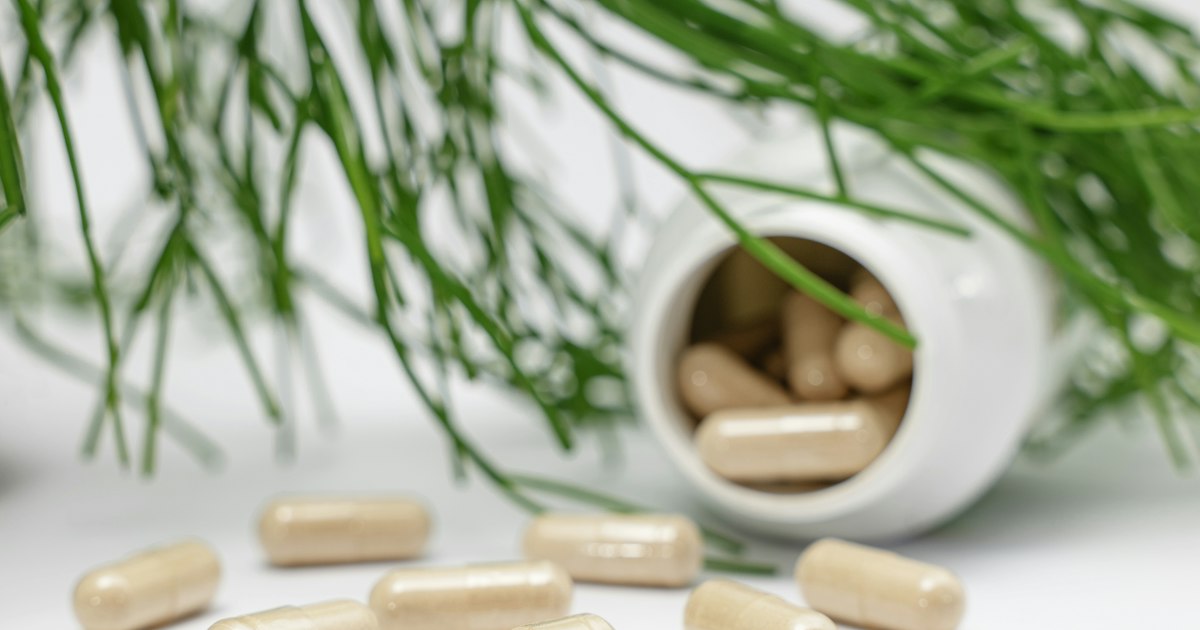
Creatine and beta-alanine are two of the few sports supplements whose effectiveness is recognised by the consensus of the International Olympic Committee. Both accumulate in muscle and both help with intense exercise. But they work through different mechanisms and for different types of work. The editorial team breaks down exactly where the difference lies.
Two molecules with different biochemistry
Creatine is a nitrogenous compound formed in the body from the amino acids arginine, glycine and methionine and obtained from meat and fish. About 95% of creatine stores are concentrated in skeletal muscle, where it exists in free form and as phosphocreatine. The most studied supplement form is creatine monohydrate.
Beta-alanine is a non-essential amino acid, but not one of those that make up proteins. Its main role is to be the limiting component for the synthesis of carnosine, a dipeptide of beta-alanine and histidine. Histidine in muscle is usually sufficient, but beta-alanine is not, so it is precisely beta-alanine that determines how much carnosine is formed.
So creatine is itself the active substance that accumulates in muscle, whereas beta-alanine is a precursor, and the effect is provided not by it but by carnosine. Taking carnosine itself orally is ineffective: in the digestive tract and blood it is broken down by the enzyme carnosinase.
The regulatory picture also differs: both substances are dietary supplements permitted by WADA. The IOC consensus (Maughan et al., 2018) places creatine and beta-alanine in the small group of supplements with sufficient evidence of improved performance in certain types of exercise.
Mechanisms: energy versus an acidity buffer
Creatine works at the level of energy. Phosphocreatine rapidly donates a phosphate group to restore ATP - the cell's universal energy «currency». This is the fastest energy-supply system, which dominates in the first seconds of maximal effort. When phosphocreatine stores run out, power drops.
The classic works of Harris, Söderlund and Hultman (1992) showed that taking creatine increases its total content in muscle, and Hultman and co-authors (1996) described the regimens by which saturation is achieved. A larger phosphocreatine store allows a few extra repetitions or the maintenance of power in repeated sprints.
Beta-alanine affects a different fatigue factor - the accumulation of hydrogen ions, that is, the acidification of muscle during intense work lasting roughly from 30 seconds to a few minutes. Carnosine acts as an intracellular buffer, binding hydrogen ions and slowing the drop in pH. In addition, its antioxidant properties and an effect on the sensitivity of the contractile apparatus to calcium are discussed.
In simple terms: creatine increases the «fuel tank» for the shortest explosive efforts, while beta-alanine increases «resistance to acidification» during slightly longer intense loads. This is what determines for which types of work each supplement is most useful.
| Parameter | Creatine | Beta-alanine |
|---|---|---|
| What accumulates in muscle | Creatine and phosphocreatine | Carnosine |
| Main mechanism | Rapid restoration of ATP | Buffering of hydrogen ions |
| Optimal effort duration | Seconds, repeated sprints, strength sets | Roughly 30 s - 4 min of high intensity |
| Effect on body weight | Increase due to water and, with training, muscle | Practically none |
| Typical side effect | Weight gain | Paraesthesia (tingling) |

For which loads each supplement is intended
The ISSN position stand on creatine (Kreider et al., 2017) summarises: creatine increases strength, power, training work volume and, combined with strength training, promotes gains in lean mass. The greatest benefit is seen in strength sports, sprinting and team games with repeated accelerations.
The ISSN position stand on beta-alanine (Trexler et al., 2015) and the meta-analysis by Hobson and co-authors (2012) indicate that the most noticeable effect is seen in loads lasting from 1 to 4 minutes. In the meta-analysis by Saunders and co-authors (2017) the supplement improved results in loads from 30 seconds to 10 minutes, while in efforts shorter than 30 seconds no significant effect was found.
Thus, for a single heavy barbell lift or a short sprint creatine is more appropriate, while for 400-800 m running, 2000 m rowing, a boxing round or series of intervals at the limit beta-alanine may be more specific. For prolonged aerobic work both supplements have limited value.
Individual variability is also worth remembering. Some people with a high baseline creatine level, for example those who eat a lot of meat, respond to the supplement more weakly. Vegetarians, on the contrary, often have a greater increase. For beta-alanine the baseline carnosine level also affects the response.
Muscle saturation and pharmacokinetics
Creatine saturates muscle relatively quickly. The study by Hultman and co-authors (1996) showed that «loading» with 20 g a day, split into several intakes, over 5-6 days, or taking about 3 g a day for roughly 4 weeks, gives a similar final level of creatine in muscle. After that it is maintained with a small daily dose.
Beta-alanine acts much more slowly. Harris and co-authors (2006) showed that daily intake of beta-alanine gradually increases the carnosine content in muscle. In the study by Hill and co-authors (2007) carnosine content increased by about 60% over 4 weeks and by 80% over 10 weeks. There is no rapid «loading» here.
The timing of intake also differs. For both supplements what matters is accumulation, not intake immediately before training. A single serving of neither creatine nor beta-alanine before a load will give an effect if the muscles are not saturated.
After intake is stopped, the stores also change at different rates: creatine returns to the baseline level over a few weeks, carnosine - even more slowly, over several months. This means that beta-alanine requires a more prolonged and consistent intake.
Side effects and safety
Creatine is one of the most studied supplements, and the ISSN position stand (2017) summarises that in healthy people at the recommended doses it is safe. The most common effect is an increase in body weight of 1-2 kg in the first weeks due to water in muscle. Stomach discomfort is possible with large single doses.
Creatine can raise the level of creatinine in the blood, which is sometimes mistakenly interpreted as kidney injury. People with kidney diseases should consult a doctor before taking it, and when having tests done, warn the doctor about taking the supplement.
A characteristic effect of beta-alanine is paraesthesia, that is, tingling or burning of the skin of the face, neck and arms, which appears 10-20 minutes after taking a large single dose and passes in about an hour. It is not dangerous, and its severity decreases when the dose is split into smaller portions or slow-release forms are used.
- Creatine:weight gain due to water, possible stomach discomfort, a rise in creatinine in tests.
- Beta-alanine:temporary paraesthesia, very rarely - other complaints.
- Both:permitted by WADA, but athletes should choose products with independent doping-free certification.
Editorial conclusions
Creatine and beta-alanine do not compete but complement each other. Creatine increases the phosphocreatine store for the shortest explosive efforts and promotes gains in strength and mass; beta-alanine, through carnosine, helps to withstand acidification during intense work lasting from half a minute to a few minutes.
The speed of saturation and the side-effect profile also differ: creatine acts over days or weeks and can increase weight, while beta-alanine requires weeks and months and causes harmless tingling.
How to choose a supplement for your sport, we explain in the article «Creatine vs Beta-alanine: what to choose and for whom». We also recommend the editorial pieces on the forms of creatine, on carnosine and muscle acidity and on meldonium and L-carnitine.
References
- Harris RC, Söderlund K, Hultman E. Elevation of creatine in resting and exercised muscle of normal subjects by creatine supplementation. Clin Sci (Lond). 1992;83(3):367–374.
- Hultman E, Söderlund K, Timmons JA, et al. Muscle creatine loading in men. J Appl Physiol. 1996;81(1):232–237.
- Kreider RB, Kalman DS, Antonio J, et al. International Society of Sports Nutrition position stand: safety and efficacy of creatine supplementation in exercise, sport, and medicine. J Int Soc Sports Nutr. 2017;14:18.
- Harris RC, Tallon MJ, Dunnett M, et al. The absorption of orally supplied beta-alanine and its effect on muscle carnosine synthesis in human vastus lateralis. Amino Acids. 2006;30(3):279–289.
- Hill CA, Harris RC, Kim HJ, et al. Influence of beta-alanine supplementation on skeletal muscle carnosine concentrations and high intensity cycling capacity. Amino Acids. 2007;32(2):225–233.
- Trexler ET, Smith-Ryan AE, Stout JR, et al. International society of sports nutrition position stand: Beta-Alanine. J Int Soc Sports Nutr. 2015;12:30.
- Saunders B, Elliott-Sale K, Artioli GG, et al. β-alanine supplementation to improve exercise capacity and performance: a systematic review and meta-analysis. Br J Sports Med. 2017;51(8):658–669.
- Maughan RJ, Burke LM, Dvorak J, et al. IOC consensus statement: dietary supplements and the high-performance athlete. Br J Sports Med. 2018;52(7):439–455.
Andriy Melnyk
A strength-sports coach and author of programs for beginner and intermediate levels. Writes about training planning.